
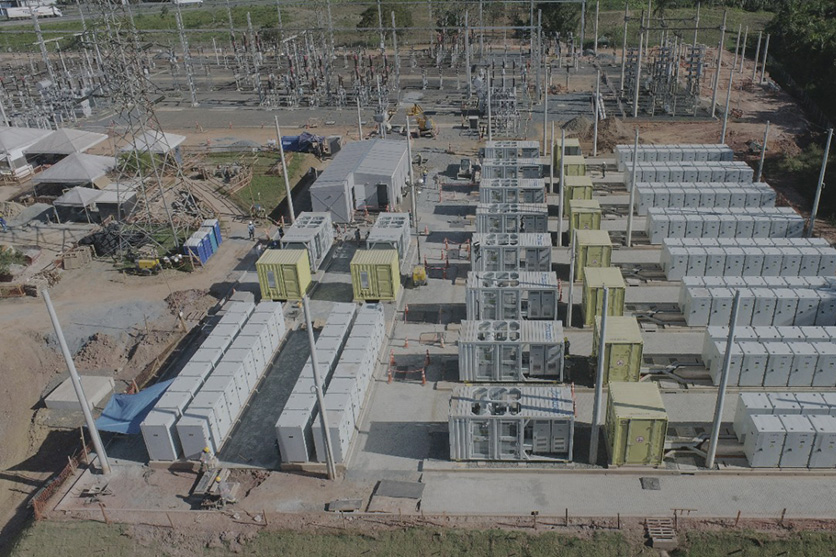






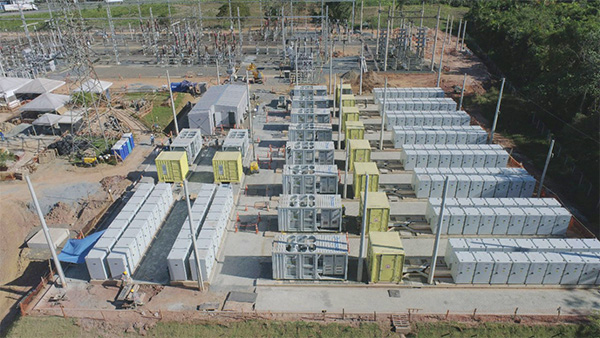
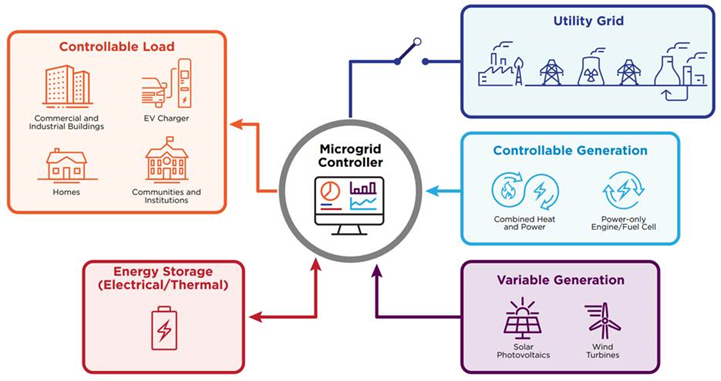
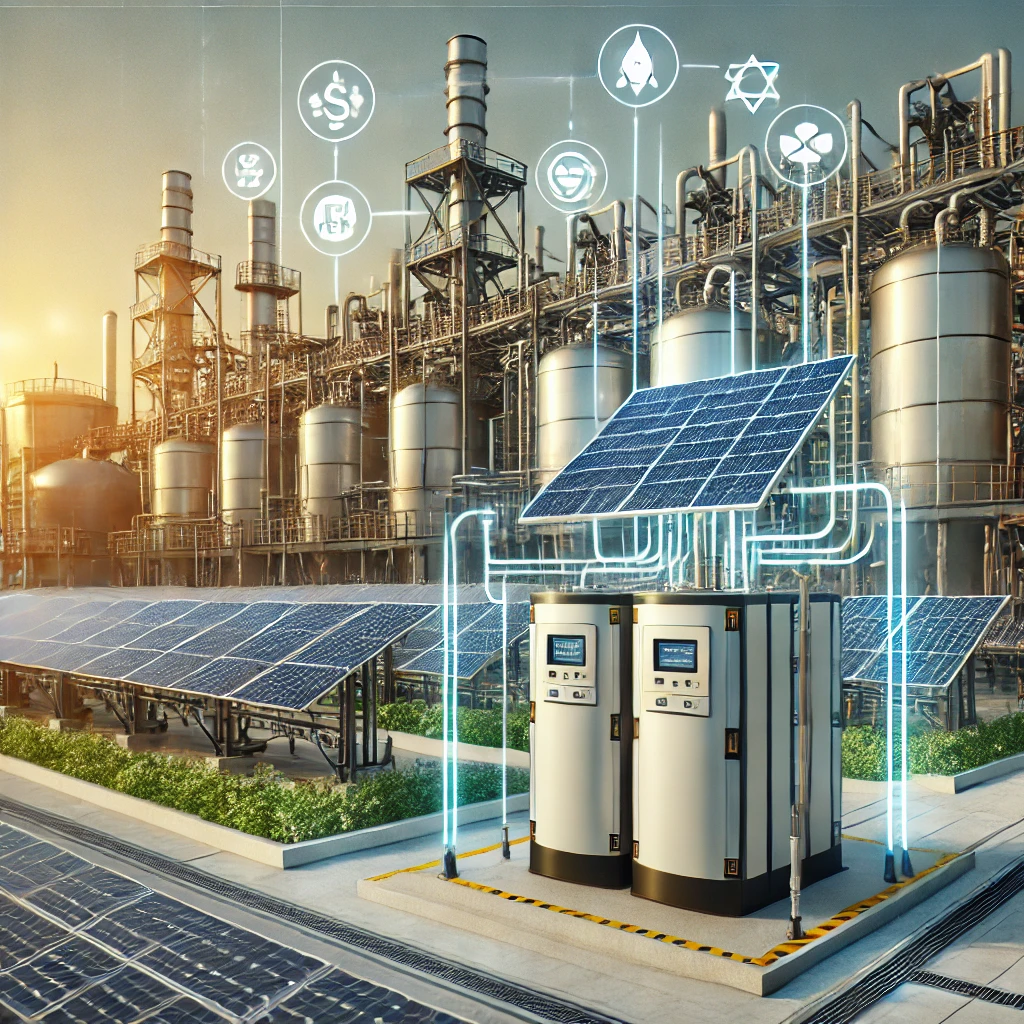
In today’s fast-paced, energy-dependent world, industries such as chemical plants, refineries, glass manufacturing, and other heavy manufacturers are facing the challenge of balancing increasing energy costs with the demand for reliability, sustainability, and operational flexibility. Microgrids with battery storage are emerging as a transformative solution, offering a robust way to optimize energy consumption, reduce operational costs, and enhance energy security. Furthermore, by offering grid service capabilities, these microgrids can provide additional financial benefits and contribute to overall grid stability.
Why Microgrids with Battery Storage Matter
Industries like chemicals, refineries, glass manufacturing, and other heavy manufacturing sectors are known for their high energy consumption, requiring vast amounts of electricity, gas, and water to maintain their operations. A microgrid combined with battery storage offers these energy-intensive businesses significant advantages:
1. Energy Cost Savings through Load Management
With microgrids, businesses can generate their own energy—often via solar or wind—while battery storage systems allow them to store excess power generated during low-demand periods. This stored energy can then be used during peak times when electricity rates are highest, offering significant cost savings. Peak shaving strategies enable companies to avoid the steep costs associated with peak demand charges, leading to more predictable and lower energy bills.
In industries such as glass manufacturing, where energy costs can account for a large portion of operational expenses due to high-temperature furnaces, a microgrid with battery storage ensures that energy consumption remains efficient while keeping costs under control.
2. Improved Energy Reliability and Resilience
Chemical plants, refineries, and glass manufacturing facilities cannot afford downtime. A microgrid enhances energy reliability by allowing these businesses to disconnect from the traditional power grid during outages, blackouts, or other disruptions. Batteries within the microgrid ensure that critical operations continue running smoothly, improving the resilience of the entire facility. Control systems and advanced diagnostics can help maximize system uptime, ensuring continuity even during grid disturbances.
For glass manufacturers, where continuous heat is required in furnaces to avoid material defects, microgrids provide an invaluable safeguard against unexpected power interruptions, minimizing the risk of product loss.
3. Enhanced Sustainability and Regulatory Compliance
Microgrids with battery storage help businesses meet sustainability goals by enabling a higher penetration of renewable energy, such as solar or wind. In industries where carbon emissions and environmental impact are under scrutiny, integrating battery storage allows for a more significant use of renewable energy sources, helping to meet regulatory requirements and corporate sustainability targets. This not only improves the business's environmental footprint but also enhances its market reputation.
Glass manufacturers, in particular, can use renewable energy integrated into a microgrid to power energy-intensive melting processes, thereby reducing their reliance on traditional, carbon-heavy energy sources and aligning with sustainability initiatives.
4. Grid Independence and Energy Autonomy
The global energy landscape is rapidly shifting, and the cost of grid electricity can be unpredictable. A microgrid with battery storage provides businesses with energy autonomy, enabling them to generate, store, and control their energy independently from the grid. This is especially beneficial for industries in remote locations or regions prone to power outages. Advanced energy management systems allow for seamless integration and dispatch of stored energy across assets or entire fleets, ensuring businesses can dynamically respond to changing energy needs.
For refineries and chemical plants operating in isolated regions or where grid infrastructure may be unstable, microgrids can ensure the stability of production processes without reliance on external energy sources.
5. Operational Flexibility and Scalability
As businesses grow, their energy needs change. A microgrid with battery storage is highly scalable, allowing companies to add or remove energy assets as required. This ensures that the system remains flexible and aligned with evolving business needs, without the need for significant upfront infrastructure changes. Technology-agnostic systems that integrate various types of batteries and inverters provide businesses with complete flexibility over their energy choices.
For glass manufacturers looking to scale their operations or add new production lines, microgrids allow for seamless expansion of energy capacity without major overhauls.
Unlocking Additional Value: Grid Service Capabilities for All Industries
Beyond optimizing internal energy consumption, microgrids with battery storage offer additional value by participating in grid services that contribute to broader energy market functions, helping stabilize the main grid while generating new revenue streams for businesses. Any industry using a microgrid, whether it's manufacturing, chemicals, refineries, or commercial sectors, can benefit from these services.
6. Providing Grid Services
Microgrids can support the main grid by offering demand response, frequency regulation, and capacity services. For instance, during times of high grid demand, your facility can reduce its energy draw or even export excess power stored in the batteries back to the grid, contributing to grid stability and earning revenue through programs like demand response or capacity market participation.
For a chemical plant, refinery, or glass manufacturer, where energy demand is variable, the ability to participate in grid service markets can create an additional revenue stream while supporting regional grid reliability. Similarly, manufacturers or commercial facilities can adjust their energy usage or utilize stored energy during times of peak grid demand, offering these valuable services to the energy market.
7. Demand Management and Peak Load Reduction
The real-time monitoring and control capabilities of process modeling software integrated with microgrids allow businesses to manage demand effectively. By shifting non-critical loads or utilizing stored energy from battery systems, companies can reduce their overall peak demand, avoiding costly demand charges during high-rate periods.
For energy-intensive industries like chemical manufacturing, glass production, or even data centers, managing peaks in energy use can result in significant cost savings. Process modeling software ensures that businesses optimize the timing of their energy consumption and prevent unnecessary grid dependency during expensive peak periods.
Applications for Key Industries
1. Chemical Plants
Chemical production requires uninterrupted energy for heating, cooling, and processing materials. A microgrid ensures a steady supply of energy while reducing the volatility of energy costs, helping businesses maintain competitiveness. By participating in grid services, chemical plants can also contribute to grid stability while optimizing their internal energy use.
2. Refineries
With strict safety regulations and high energy demands, refineries benefit significantly from energy storage systems that enhance operational stability. Microgrids improve energy efficiency, provide power during blackouts, and create revenue opportunities through grid service participation, reducing downtime risks.
3. Glass Manufacturing
Manufacturing glass requires a stable and consistent energy supply, particularly for the high-temperature furnaces used in melting raw materials. A microgrid with battery storage ensures that these energy needs are met even during power outages, while also offering the flexibility to engage in grid services like demand response, further enhancing cost efficiency and operational flexibility.
4. Data Centers and Commercial Facilities
Data centers and commercial buildings are becoming increasingly reliant on microgrids to ensure reliable energy and maximize cost efficiency. These facilities can also offer grid services by reducing load during peak demand periods, taking pressure off the main grid while benefiting from financial incentives.
Conclusion
For businesses that consume vast amounts of electricity, gas, and water, microgrids with battery storage present a strategic investment. They offer cost savings, improved reliability, enhanced sustainability, and operational flexibility, all while providing opportunities to participate in grid service markets and earn additional revenue. With advanced energy management systems, companies can fully optimize and control their energy usage, setting them up for long-term success in an increasingly energy-conscious and interconnected world.
By adopting microgrids and battery storage, chemical plants, refineries, glass manufacturers, data centers, and other energy-intensive industries can transform their operations—ensuring energy reliability, reducing costs, advancing their sustainability goals, and contributing to grid stability
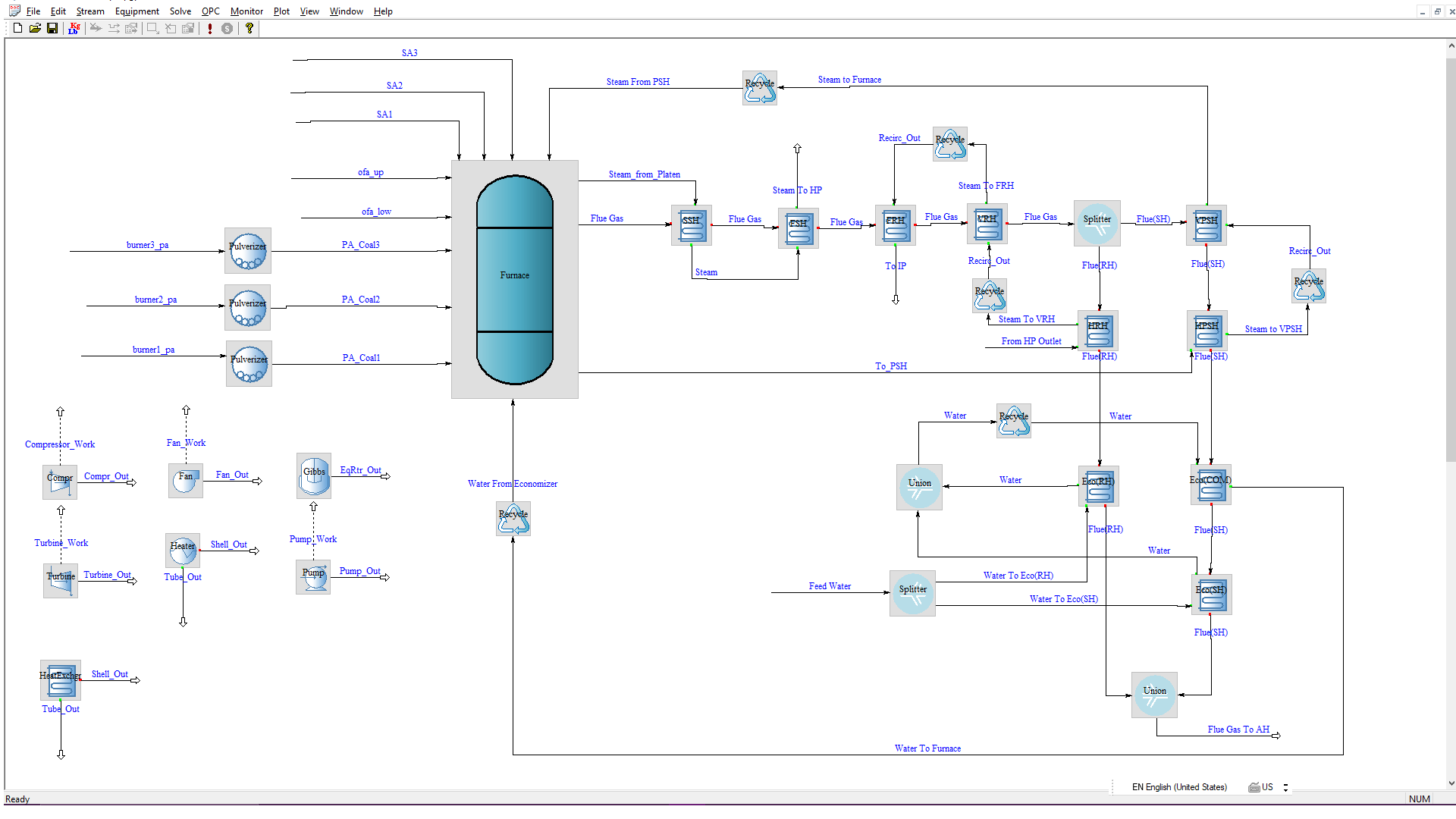
In today's energy landscape, businesses across industries like glass manufacturing, refineries, and chemical processing face increasing pressure to optimize their energy consumption, reduce costs, and increase sustainability. One of the most powerful tools available to achieve these goals is process modeling software with mass and energy balancing capabilities, enhanced by advanced features like Computational Fluid Dynamics (CFD).
The software interface displayed here demonstrates how this advanced technology can transform the way businesses manage and optimize their energy demands, particularly when integrating with microgrid systems.
The Power of Process Modeling Software for Microgrids
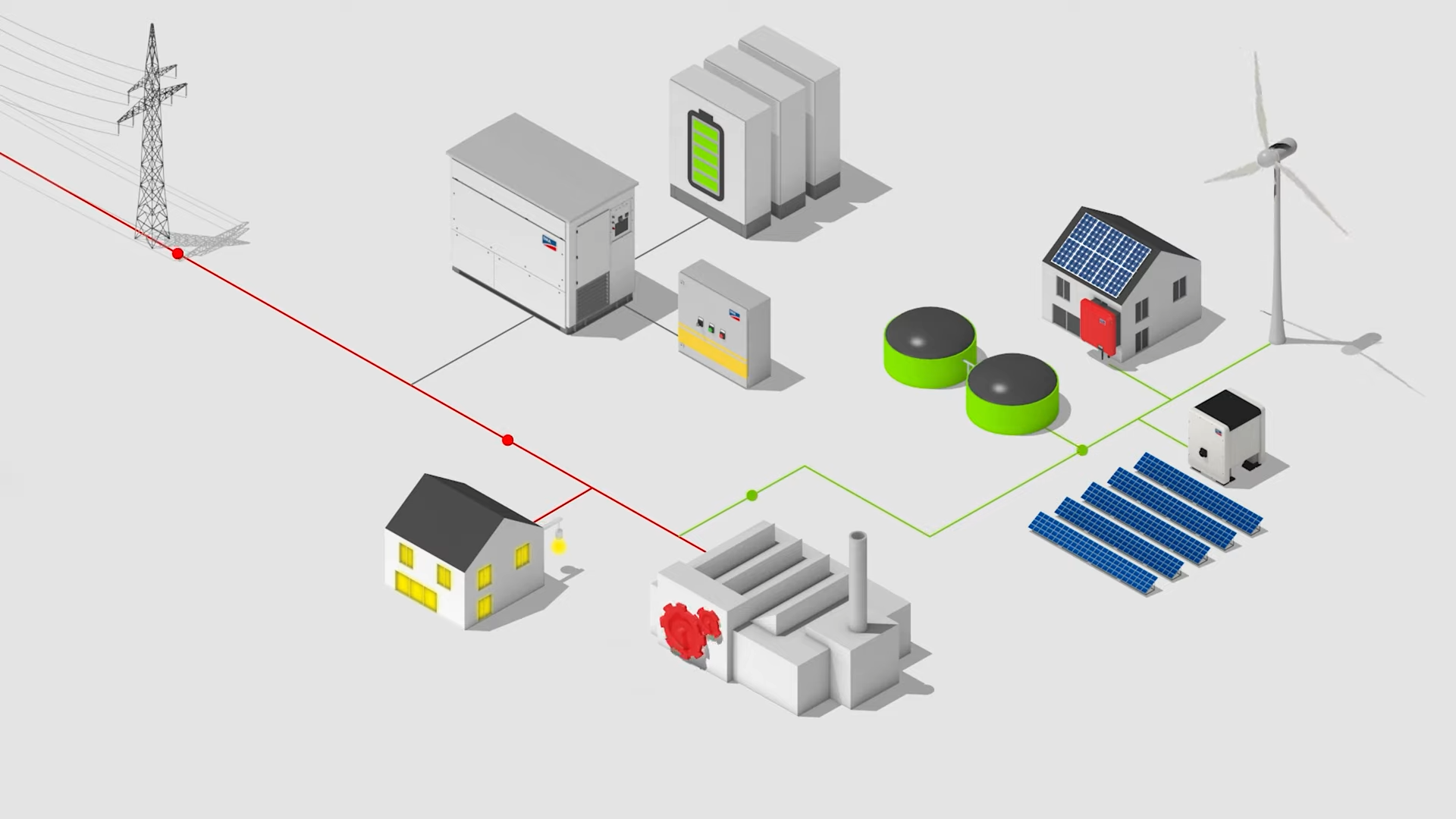
A microgrid is a localized energy system that can operate independently or in conjunction with the main power grid, often incorporating renewable energy sources like solar or wind alongside traditional energy systems. Optimizing the energy demand within a microgrid is critical to ensuring cost efficiency, reliability, and sustainability. This is where process modeling software becomes a game-changer.
Key Benefits for Microgrid Optimization
1. Precise Energy and Mass Balance
The software provides real-time tracking and balancing of energy and material flows within your manufacturing processes, ensuring that the energy supply from the microgrid is used as efficiently as possible. This precision in balancing energy demands allows businesses to prevent waste, lower energy consumption, and seamlessly integrate renewable energy sources.
For industries like glass manufacturing, which rely heavily on consistent energy input, this software ensures that the microgrid provides stable and optimized energy output to maintain production efficiency and product quality.
2. Simulating Various Energy Scenarios
This process modeling software allows you to simulate various energy supply and demand scenarios within your microgrid. For example, manufacturers can simulate energy usage during peak production times or adjust for fluctuations in renewable energy generation from solar or wind. These simulations enable informed decision-making on energy storage and usage, ultimately lowering energy costs and improving grid resilience.
3. Improved Operational Efficiency
The software helps optimize the performance of key energy-intensive equipment, such as boilers, furnaces, and heat exchangers, by modeling their interactions with the microgrid. This results in better thermal management, increased energy efficiency, and longer equipment life. By minimizing inefficiencies, companies can reduce overall energy demand and ensure that their microgrid system operates at peak performance.
For chemical and refinery businesses, this software ensures that the energy supplied by the microgrid is utilized efficiently across various units, such as reactors, distillation columns, and cooling systems, reducing unnecessary energy consumption.
4. Predictive Analytics and Maintenance
Incorporating advanced analytics, the software enables predictive maintenance by monitoring energy flow and equipment performance. It identifies potential issues before they lead to costly breakdowns or energy losses, which is particularly beneficial in industries like refineries, where uptime is critical, and unplanned downtime can be expensive.
5. Seamless Integration of Renewable Energy
Many microgrids are designed to incorporate renewable energy sources such as solar or wind power. This software helps manage the intermittency of renewable energy by optimizing the timing and amount of energy used from battery storage or other energy sources. Businesses can efficiently balance energy use between renewables, grid power, and stored energy, ensuring smooth operations even during fluctuating energy supply.
6. Energy Cost Savings
With optimized energy consumption and improved equipment efficiency, businesses can significantly reduce their energy costs. The software ensures that the microgrid operates at its most cost-effective levels, whether by shifting energy loads, reducing peak demand charges, or maximizing the use of lower-cost renewable energy.
A Game-Changer for Manufacturing Industries
Industries like glass, chemical processing, and refineries are highly energy-intensive, making them ideal candidates for microgrid integration. Process modeling software with mass and energy balancing and CFD capabilities ensures that these industries can optimize their energy use while reducing environmental impact.
The advanced visual interface shown here provides a clear, real-time overview of the energy flows, helping business owners manage their operations with precision. This type of advanced process modeling empowers companies to control every aspect of their energy consumption, from production to sustainability goals, all while staying competitive in a fast-evolving energy landscape.
Conclusion
For manufacturing businesses that consume large amounts of electricity, gas, and water, optimizing energy demand within a microgrid system is not just an option—it’s a necessity. With process modeling software, you can unlock significant energy savings, improve operational efficiency, and make your microgrid system more resilient and sustainable. This cutting-edge solution provides business owners with the tools they need to thrive in a future where energy efficiency and sustainability are paramount.
Make the smart choice for your energy future. Optimize your microgrid energy demand with advanced process modeling today!
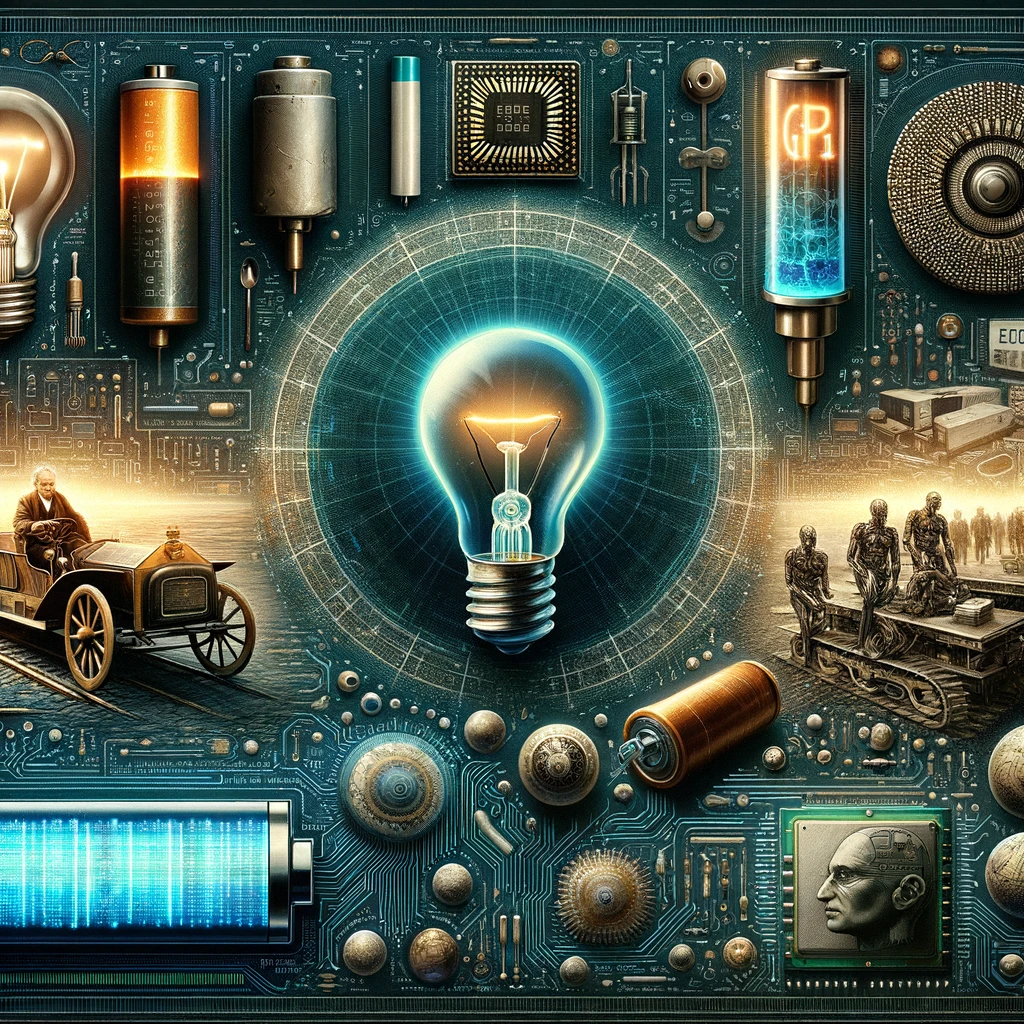
Introduction: The evolution of electron-based technology has been a cornerstone of human progress. From powering the first lightbulbs to driving the latest AI algorithms, electrons have been instrumental in shaping our modern world. This article explores this journey, now entering a new phase likened to an Industrial Revolution, as described by industry leaders like Nvidia's CEO.
The Dawn of the Electric Age: The electrification of society marked the beginning of a transformative era. In the 19th century, visionaries like Michael Faraday and Thomas Edison utilized electron flow to bring about a new age of light and power. This period saw the raw materials of fuel and water converted into electricity in factories, revolutionizing industries and daily life, and setting the stage for unprecedented growth and development.
The Portable Power Revolution: Batteries: The evolution of batteries marks a significant chapter in the story of electron-based technology. As electricity's influence extended its reach, the need to store and mobilize this power became increasingly critical. From the early innovations of Alessandro Volta to the highly efficient lithium-ion cells of today, batteries have undergone a remarkable transformation. Initially designed to power small devices and later electric vehicles, their function has expanded to a grander scale – the power grid itself.
Modern batteries, particularly those based on lithium-ion technology, are now crucial in managing and stabilizing energy distribution in power grids. They offer a solution for storing excess energy generated from intermittent sources like solar and wind, addressing one of the biggest challenges in renewable energy. This stored power can be released during peak demand times or when the renewable sources are not producing, ensuring a consistent and reliable energy supply.
This capability represents a significant leap in how we harness and utilize electron flow. It's not just about providing power on the move anymore; it's about creating a more resilient, efficient, and sustainable energy system. Batteries have become pivotal in our journey towards a greener future, showcasing their role as more than just portable power sources but as foundational elements in modern energy infrastructure.
The Era of High-Tech Electronics: GPUs and Beyond: Electron management achieved unprecedented sophistication with the advent of high-tech electronics, especially in advanced GPUs like those produced by Nvidia. These Graphics Processing Units, initially designed for rendering complex graphics, have evolved far beyond their original purpose. Today, they are the backbone of intense computational tasks, including those in the realm of artificial intelligence.
Among the most remarkable applications of this technology are generative AI and models like ChatGPT. Generative AI refers to algorithms that can create content, whether it's text, images, or even music, by learning from vast amounts of data. ChatGPT, a sophisticated language model developed by OpenAI, exemplifies this. It interacts in a conversational manner, generating human-like text based on the input it receives. These systems rely heavily on the processing power of GPUs for their operations.
The advanced capabilities of GPUs enable these AI models to process and analyze large datasets rapidly, learn from them, and generate responses in real-time. This is only possible due to the efficient and high-speed electron movement within these processors, allowing for billions of calculations per second. The implications are profound, extending into fields like natural language processing, machine learning, and beyond, opening new frontiers in human-computer interaction and the capabilities of AI.
A New Industrial Revolution: AI Factories: Jensen Huang of Nvidia draws a compelling parallel between traditional industrial revolutions and today's technological leaps. In his view, the modern data center is akin to an AI factory. Here, the raw materials are data and electricity, both intricately linked to electron flow. The output, however, is not a tangible product but 'data tokens' - units of intelligence or processed information. These tokens, while invisible, hold immense value and are distributed globally, representing a new kind of product born from the advanced manipulation of data and electron-driven processes.
Conclusion: A Future Powered by Electrons: The journey of electron-based technology, from powering lightbulbs to driving AI revolutions, showcases the ingenuity of human innovation. As we embrace new technological horizons, from quantum computing to sustainable energy solutions, electrons remain at the heart of our progress. This ongoing evolution reflects not just our scientific advancements but our capacity for imaginative and transformative thinking, with electrons continuing to be the silent yet powerful architects of our civilization.
\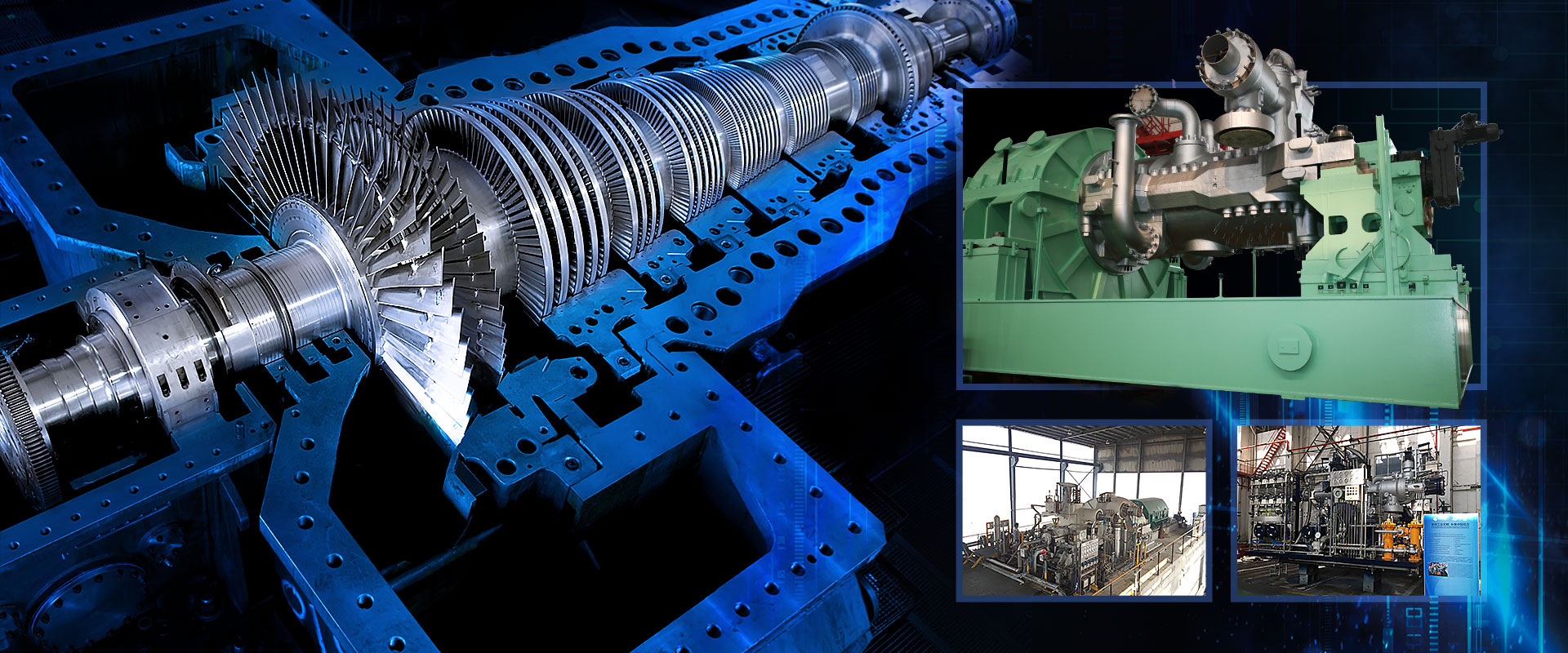
In the dynamic landscape of industrial energy, HTC stands at the forefront as China's largest producer of industrial steam turbines. With a legacy of partnering with global compressor and pump manufacturers, HTC's steam turbines are powering a brighter future.
Pioneering Efficiency in Varied Sectors
HTC's expertise is not just limited to one sector. In the petrochemical industry, its steam turbines are the heartbeat of operations, ensuring reliability and efficiency. For driving feedwater pumps, HTC's turbines offer unparalleled performance, seamlessly integrating with worldwide systems.
Air separation units and oil refineries also benefit significantly from HTC's cutting-edge turbines. Their robust design and adaptability make them perfect for the high demands of these sectors. In the chemical industry, where precision and reliability are paramount, HTC’s turbines stand as pillars of efficiency and stability.
Powering the Future of Biomass Power Plants
HTC's commitment to innovation is evident in its solutions for power plants. In gas-steam combined power plants, HTC collaborates with gas turbine and boiler suppliers to tailor-make steam turbines that meet diverse client needs. The result? A perfect blend of efficiency and functionality.
For paper mills and sugar mills, HTC champions the concept of Combined Heat and Power Generation (Cogeneration). These turbines not only generate power but also utilize steam as a heat source, optimizing energy use and enhancing heat efficiency.
In thermal power plants, HTC's turbines are synonymous with high efficiency and stability. Designed to cater to coal-fired power plants, they offer the most economical and safest solutions, reflecting HTC's commitment to sustainable energy practices.
Embracing Renewable Energy
Understanding the urgency of the climate crisis, HTC is also a forerunner in harnessing renewable energy. Its steam turbines, compatible with biomass and solar thermal heat, are not just future-proof but also contribute significantly to reducing CO₂ emissions. This move towards renewables represents HTC's vision of a sustainable and environmentally responsible future.
Unmatched Steam Turbine Design Capabilities
HTC's steam turbines are designed with versatility and performance in mind. They support a live steam maximum of 140 Bar A/540℃ and an exhaust pressure maximum of 65BarA. Catering to a diverse power range from 0.5MW to 200MW and a speed range of 2200-16000rpm, these turbines are tailored for a broad spectrum of industrial applications. Whether it’s full condensing, extraction condensing, backpressure, or extraction backpressure turbines, HTC's offerings are diverse and comprehensive.
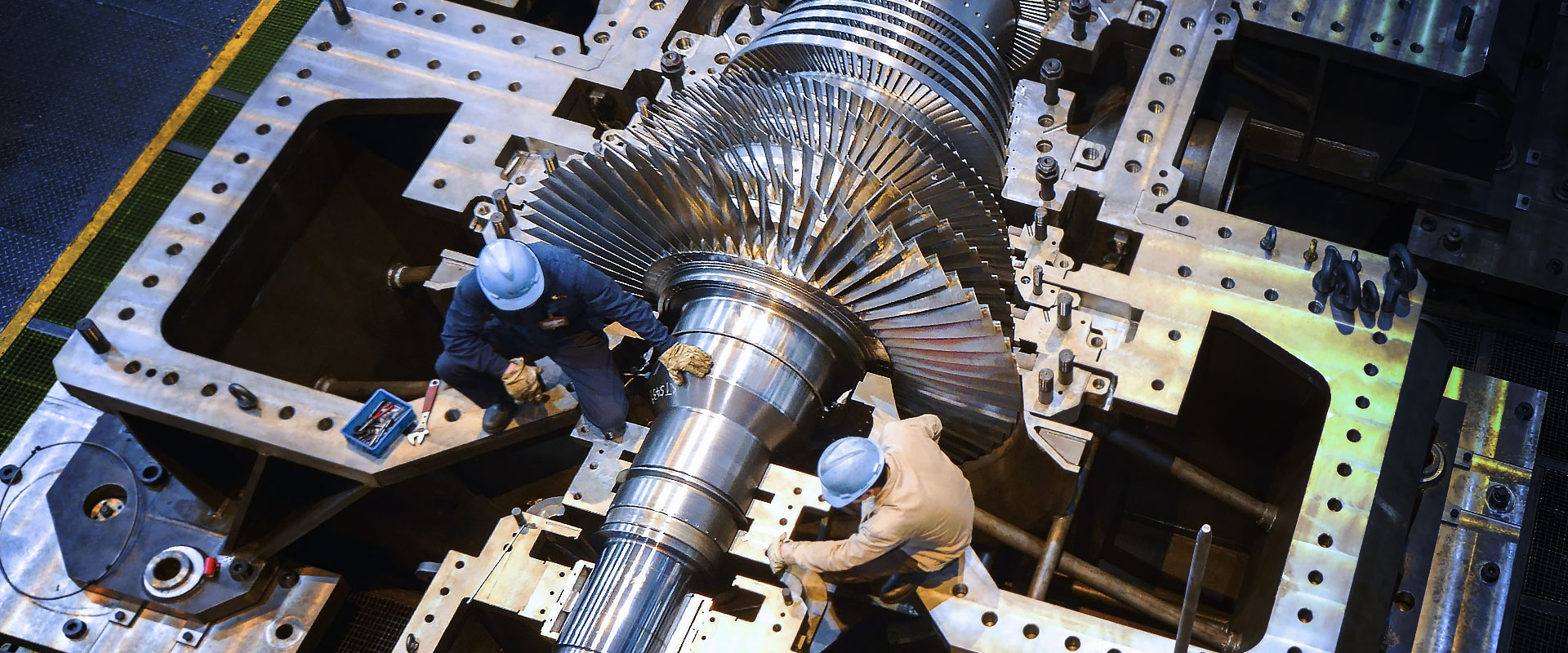
HTC is more than just a manufacturer; it's an energy innovator. By continually pushing the boundaries of steam turbine technology and embracing a diverse range of applications, HTC is not just powering industries – it's powering progress. Whether it's in traditional sectors or the burgeoning field of renewable energy, HTC's turbines are the cornerstone of efficient and sustainable industrial operations. Choose HTC, choose the future of industrial energy.
For more details please visit their websites: https://en.htc.cn/
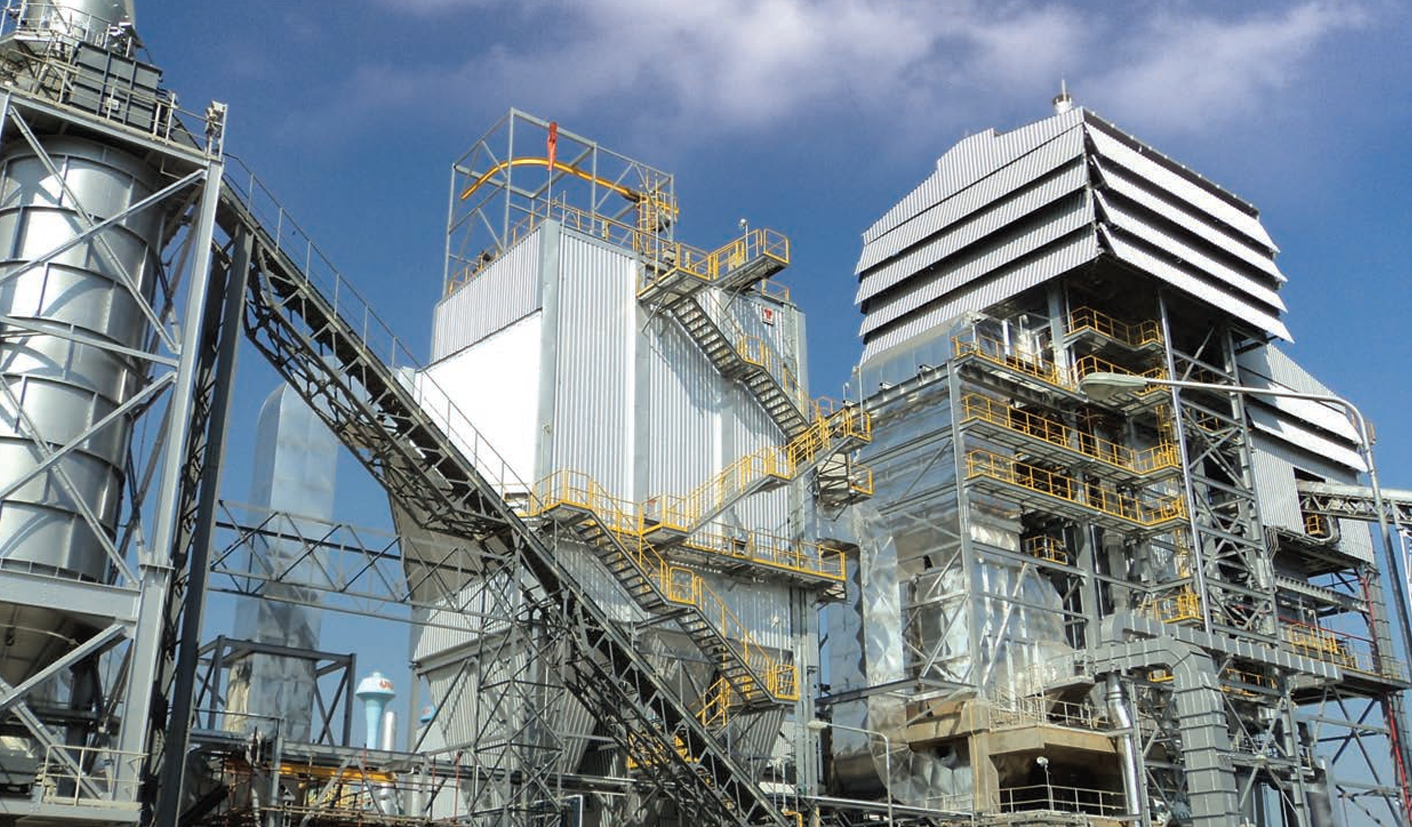
Revolutionizing the Sugar Industry: How Sugarcane Plants are Turning Biomass into Cost Savings and Clean Energy
Introduction:
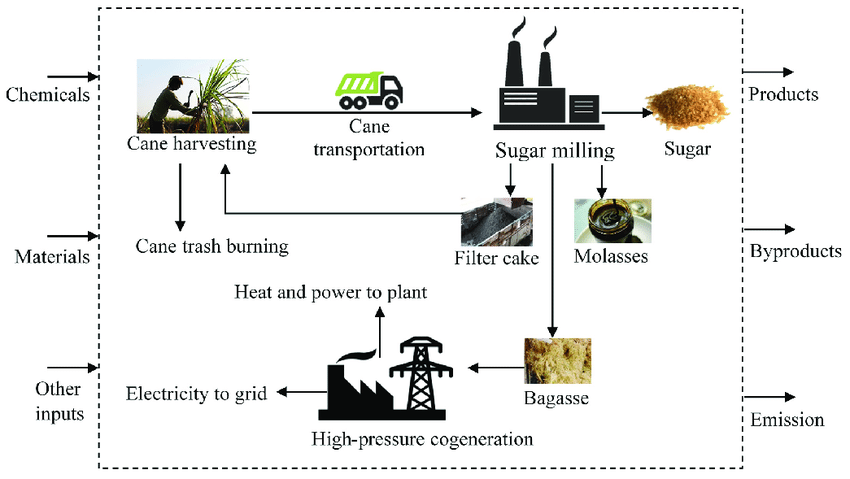
The sugar industry is undergoing a transformative era, pivoting towards a sustainable future. A key player in this revolution is the humble by-product of sugarcane processing: bagasse. This fibrous residue, once considered waste, is now at the forefront of a green energy movement, offering sugarcane plants a golden opportunity to reduce costs and generate clean electricity.
The Power of Bagasse:
Bagasse, derived from sugarcane, is an energy-rich biomass that has been underutilized for years. When processed in modern cogeneration plants, this once-waste material becomes a powerhouse, generating significant amounts of clean electricity. This process not only supplies the energy needs of the sugar mills but also feeds surplus electricity back into the grid, turning sugarcane plants into energy providers.
Cost-Effectiveness and Efficiency:
One of the most compelling aspects of using bagasse for electricity generation is cost-effectiveness. Sugarcane mills traditionally have high energy demands. By using bagasse, which is readily available as a by-product of sugar production, plants can significantly cut down on energy costs. Moreover, the technology for processing bagasse has become more efficient and affordable, making it a viable option even for smaller producers.
Environmental Benefits:
The environmental impact of this shift cannot be overstated. As the world grapples with climate change, renewable energy sources like bagasse present a clean alternative to fossil fuels. Burning bagasse releases far less carbon dioxide compared to conventional energy sources, drastically reducing the carbon footprint of sugarcane plants. This not only aids in global environmental efforts but also enhances the brand image of companies as responsible and sustainable.
Case Studies: Global Leaders in Bagasse Energy:
Companies like Florida Crystals in the United States and Mackay Sugar in Australia are setting the standard in biomass energy. Florida Crystals operates the largest biomass power plant in North America, using bagasse and urban wood waste to produce electricity and steam. Similarly, Mackay Sugar's cogeneration plant significantly contributes to the electricity needs of the Mackay region in Australia. These examples demonstrate the feasibility and success of converting bagasse into a valuable energy resource.
The Future of Sugar Industry:
The use of bagasse for electricity generation is just the beginning. Innovations continue to emerge, enhancing the efficiency and output of these systems. As the technology evolves, so does the potential for sugarcane plants to become even more significant players in the renewable energy sector.
The sugarcane industry is on the cusp of an exciting new era, with bagasse leading the way in sustainable energy production. By embracing this renewable resource, sugarcane plants are not only reducing their operating costs but also contributing to a cleaner, greener planet. This is more than just an operational change; it's a commitment to a sustainable future, showcasing how traditional industries can adapt and thrive in an environmentally-conscious world.
The combined use of boilers and turbines, especially in Combined Heat and Power (CHP) systems, allows for high energy efficiency. CHP systems capture the waste heat from electricity generation for heating purposes, significantly enhancing overall energy utilization.
For many industries, especially those that have access to low-cost fuels or by-product fuels (like biomass from agricultural activities), boilers and turbines offer an economically viable solution for power and heat generation. Industries with their own boilers and turbines can generate their own power and heat, reducing reliance on external power grids and protecting against electricity price fluctuations and grid unreliability. With the advent of environmentally friendly boilers and turbines that can efficiently burn waste or renewable resources, industries can meet environmental regulations and contribute to sustainability goals.